What's Happening
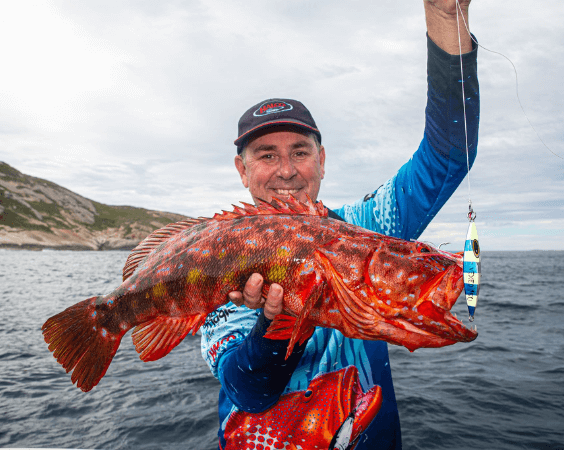
South Coast Marine Park proposals
Recfishwest calls on Government to listen to local fishers and re-think illogical and unjustifiable no fishing zones
READ MORE HERE
News
View all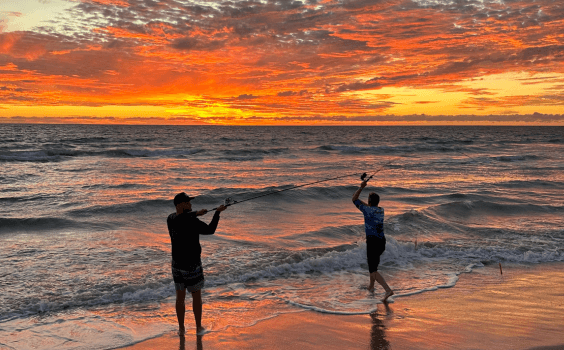
April 23, 2024
How 200 metre setbacks could help protect access to cherished land-based fishing spots on our South Coast
There is nothing quite like standing on a south coast beach, rod in hand, facing the salt spray as the water laps at your feet. Dreams of mulloway, salmon, big tailor and skippy, or maybe a snapper often become a…
March 21, 2024
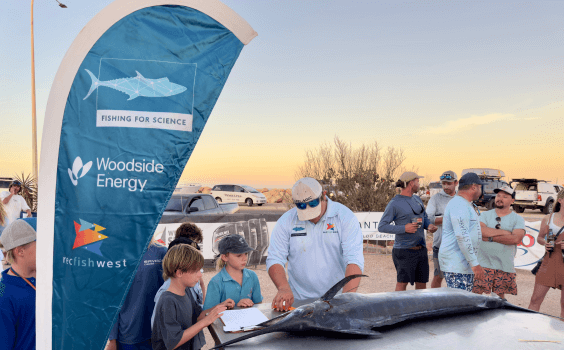
Recfishwest game for GAMEX 2024
Gamex is one of Australia’s biggest game fishing tournaments. Recfishwest Operations Officer Levi De Boni, a keen game angler himself, was one of our Fishing for Science team attending this year’s event. Here, he…
February 28, 2024
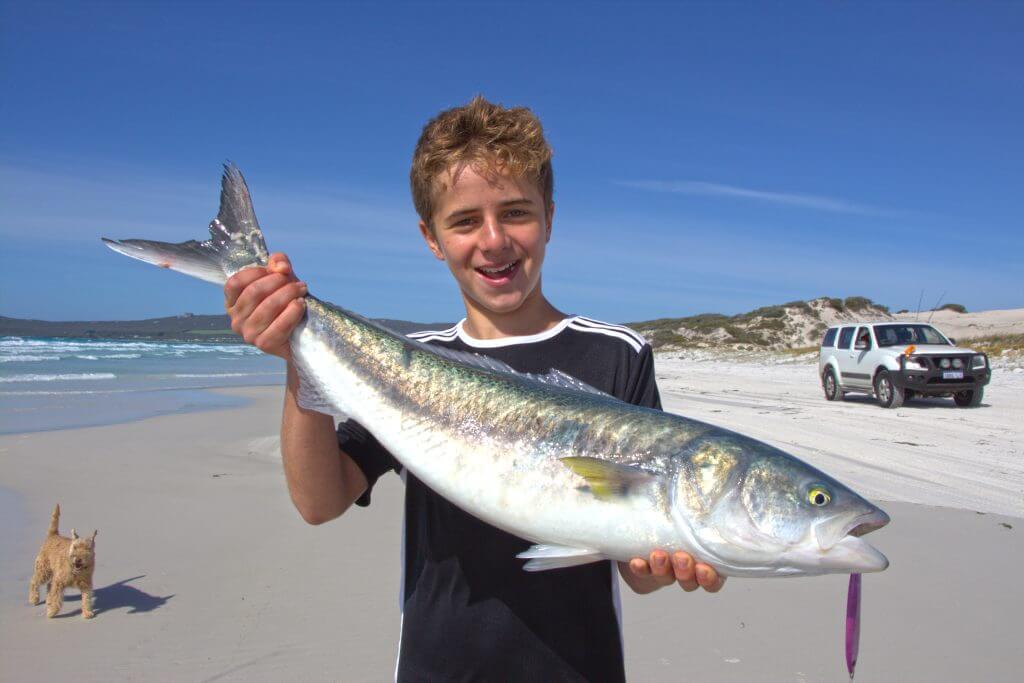
Salmon Slam is back for 2024!
Scanning waves off epic southern beaches for large black patches, launching lures out the back of the surf and doing spectacular battle with tough-fighting fish – yep, it’s salmon time again! It’…

February 28, 2024
Keep up to date on South Coast Marine Parks with Recfishwest updates
We were on the South Coast last week talking to local fishers like Mitchell Waideman and hearing their concerns about the State Government’s South Coast Marine Parks proposals. Hear what Esperance Land Based…
February 27, 2024
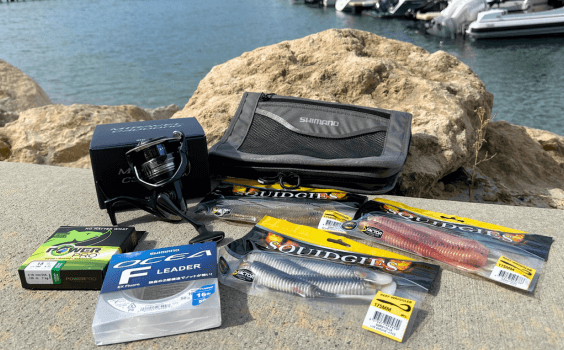
Great monthly prizes up for grabs in 2024 for Recfishwest members!
As a thank you to our cast of thousands of Recfishwest free and premium members for their support, we’re giving away some cracking prizes every month courtesy of our partners Shimano! Shimano has not only…
February 27, 2024
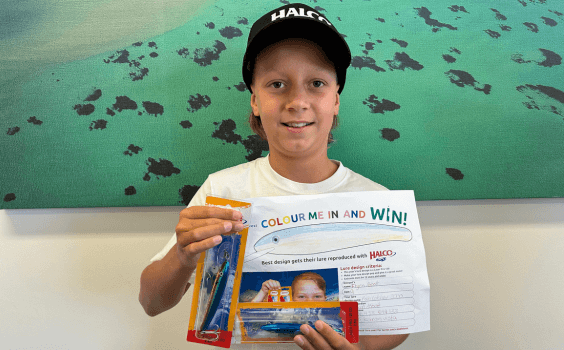
Tuna already tuned in to Recfishwest’s new exclusive members’ lure – the Fish Catcher 3000!
Recfishwest’s latest membership lure started its journey from inside the creative mind of a ten-year-old, then travelled to the Halco lure production team before finding itself inside a tuna’s mouth in…
Fishing in WA
Read More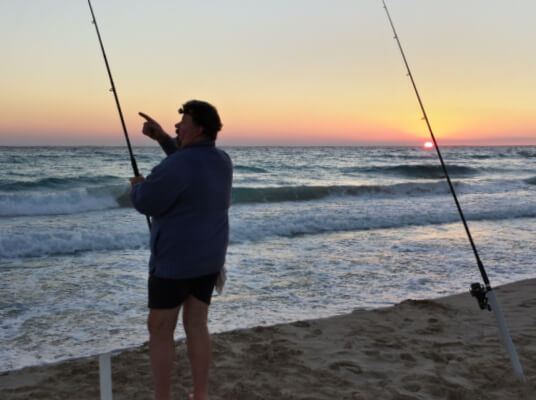
July 14, 2021
Scott’s Spots
Interested in some new fishing spots? Check out some of Scott’s favourite places to fish!

July 14, 2021
Scott’s Species
Check out all past Scott’s Species articles to learn how to catch many different sensational fish!
July 14, 2021
Freshwater stocking locations
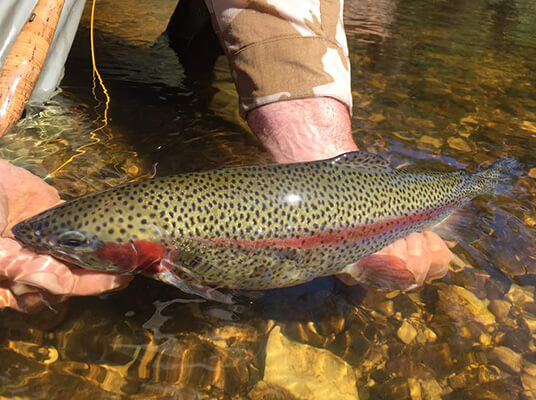
Trout are stocked each year in WA to provide anglers a unique opportunity to chase this prized fish amongst some of nature’s finest backdrops in our southern forests. Find out where they’re being stocked.
January 06, 2021
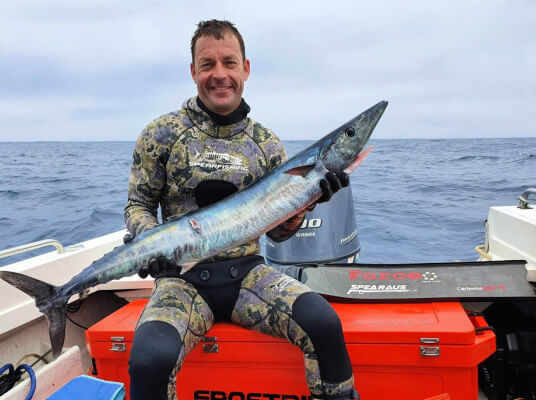
Metro FADs fighting fit as sportfishing action off Perth heats up
Big dolphinfish, wahoo, tuna and even a black marlin sighting, it’s safe to say the metropolitan fish aggregating devices (FADs) are producing unreal fishing action this season.

April 02, 2020
Marine Parks Mapping Now a Feature of Recfishwest App
Version 3 of Recfishwest’s popular and trusted Smartphone App launched recently with new features built in to make your fishing even more stress free than before. The new version of the App has a new feature to…
Safety
Recfishwest represents the interests of 750,000 recreational fishers in Western Australia.
Our Partners






Acknowledgement of Country
Recfishwest acknowledges the Traditional Owners of the land and sea, and we pay our respect to Elders past, present and future. We recognise the strength, resilience and capacity of traditional custodians in managing and caring for the land and sea. We acknowledge and respect their continuing culture and the contribution they make to life in Western Australia.